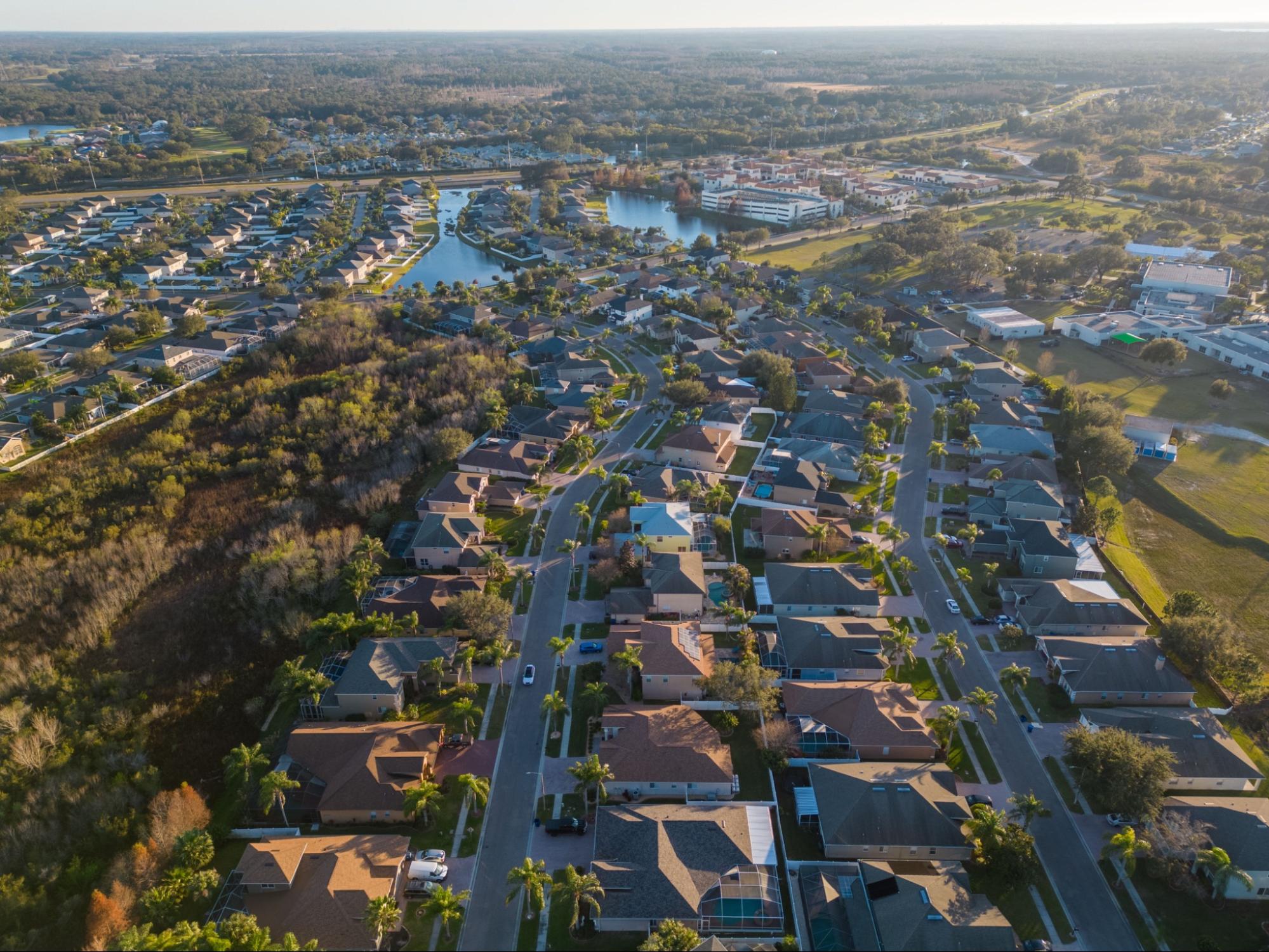
Filing a 558 claim for your HOA is an important legal process that can be tricky for first-timers. For those unfamiliar, a 558 claim under the Florida Statutes is a pre-suit notice for construction defects. By filing this notice, contractors, subcontractors, and design professionals are given the opportunity to inspect and repair the issues before a lawsuit is filed.
When it comes to protecting property owners and Tampa association management, understanding how to properly file this claim is essential. By knowing what to do and how to do it, you can avoid common and costly filing mistakes.
Failing to Document Defects Properly
Failing to accurately document defects is a common yet risky mistake when filing a 558 claim. If the photos, videos, and written reports lack the proper detail needed to thoroughly address the defect, it can weaken your case and delay the resolution process.
To help avoid this mistake, maintain inspection logs and maintenance records. This way, you can ensure everything is thoroughly documented and can be easily located when needed. By using licensed inspectors as well, you can further increase credibility and prevent disputes over the accuracy or validity of the findings.
If you ever feel unsure, remember that working with a trusted Tampa HOA management company like Wise Property Management can help guide you through the process.
Missing Deadlines or Filing Incorrectly
When it comes to filing 558 notices, statutory timelines can be very specific and can create problems if not followed correctly. These procedural errors can actually void the claim and cause costly delays or loss of legal rights to pursue the defect.
If this situation ever arises, it can feel stressful and complicated to handle successfully. However, Tampa association management companies like Wise Property Management can step in and help fix the situation by coordinating with legal professionals, organizing documentation, and ensuring that all future filings meet Florida’s statutory requirements.
Not Involving Key Stakeholders
Ensuring that key stakeholders are involved is important for maintaining clear communication and accountability when filing. Always make sure that proper coordination is in place between property owners, HOA boards, and property managers as well.
In addition, notifying insurers and contractors promptly helps ensure timely responses and cooperation throughout the claims process. By doing these things and keeping all communications documented and centralized, you can help avoid costly misunderstandings and procedural mistakes during the process.
Failing to Manage Repairs Properly
Failing to properly manage repairs is another common yet major mistake to avoid. Overseeing post-claim repairs for quality and compliance ensures that all defects are fully corrected and that the work meets Florida building standards. Without doing this, your claim could be at risk.
To manage repairs properly, use vetted and licensed contractors to ensure the work is completed to code and within warranty requirements. You should also keep a punch list and final inspection record for documentation. Remember, if it ever feels too overwhelming, Wise Property Management is here to help.
Contact Wise Property Management Today
Filing 558 claims is never fun, but when you partner with an experienced Tampa HOA management company, the process doesn’t have to be difficult. At Wise Property Management, we’ve been helping HOAs for over 40 years. Don’t let claims become costly. Contact Wise Property Management and ease your stress today.
For more information about how we stand out among Tampa association management companies, please request a proposal today or call our office at (813) 968-5665.
Proposal Request
Latest Blog Posts
- Strategic Planning for 2026: Setting Up Your St. Pete Condo Association for Success
- How to Create a Maintenance Plan for a Post-Turnover HOA Community
- How to Keep HOA Residents Engaged During the Holidays
- Why Property Managers Are Key to Successful 558 Claims for Condominiums
- Fall Maintenance Checklist for Tampa Condo Communities